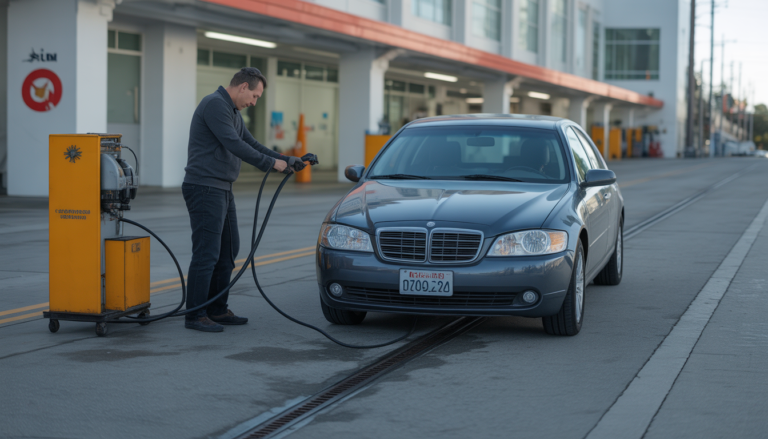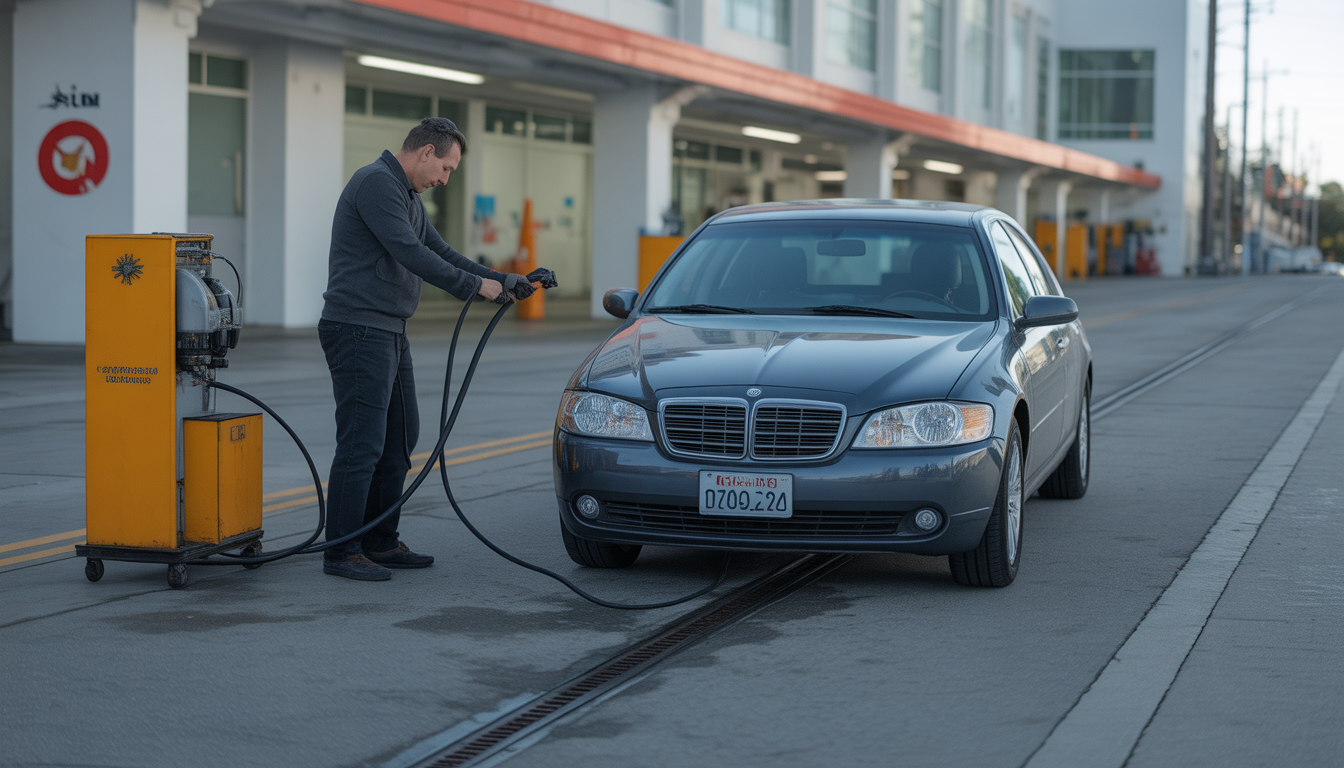
Let’s be honest — nobody wakes up excited about a smog check.
You don’t call your friends saying, “Hey bro, guess what? My car gets tested for emissions today!”
But if you drive in California, smog checks are as unavoidable as traffic on the 405 freeway and overpriced avocado toast.
The California Smog Check Program exists for one big reason: clean air. California has millions of vehicles, dense cities, and a long history of air pollution problems. So the state created one of the strictest emissions programs in the world — and yes, it keeps evolving every year.
In 2026, the rules haven’t disappeared. In fact, they’ve become smarter, more digital, and sometimes stricter.
This detailed guide explains everything you need to know — in simple language, real examples, and with a few laughs along the way.
Why California Even Has Smog Checks
Before we dive into rules, let’s answer the obvious question:
👉 Why does California care so much about my exhaust pipe?
Back in the 1950s–1970s, Los Angeles had serious smog problems. The air looked like someone forgot to clean the sky. Cars were the biggest pollution source.
Today, California still leads the U.S. in emissions regulation because:
- It has more vehicles than most countries
- Large urban populations trap pollution
- Health studies link emissions to asthma and lung disease
- Federal law allows California stricter rules than other states
The Smog Check Program helps reduce pollutants like:
- Carbon monoxide (CO)
- Nitrogen oxides (NOx)
- Hydrocarbons
- Particulate emissions
Think of it as a health checkup — but for your car’s lungs.
What Is a California Smog Check?
A smog check is an official emissions inspection required by California law.
Technicians test whether your vehicle produces pollution within allowed limits.
According to California regulations, vehicles must be inspected:
- During registration renewal
- When ownership transfers
- When registering an out-of-state vehicle
- Under certain compliance orders
In simple terms:
👉 If paperwork involving your car changes, a smog check usually appears like an uninvited guest.
How Often Do You Need a Smog Check in 2026?
Here’s the rule most drivers care about.
The Basic California Rule
| Vehicle Type | Smog Check Requirement |
|---|---|
| Gasoline vehicles (1976+) | Every 2 years |
| During ownership transfer | Required |
| Out-of-state registration | Required |
| Newer vehicles | Temporarily exempt |
| Electric vehicles | Exempt |
Most gasoline-powered vehicles 8 model years or older require testing every two years .
Yes — California remembers your car’s birthday better than some relatives remember yours.
The Famous 8-Year Exemption Rule
Good news for new car owners!
If your gasoline vehicle is less than 8 model years old, you usually do not need a smog inspection during renewal.
Instead, you pay a small smog abatement fee.
Example
| Model Year | Smog Needed in 2026? |
|---|---|
| 2025 car | ❌ No |
| 2024 car | ❌ No |
| 2020 car | ✅ Yes |
| 2015 car | ✅ Yes |
Electric vehicles and motorcycles remain exempt from smog testing entirely .
So Tesla owners?
You get to skip this particular headache.
Vehicles That MUST Pass Smog Checks
Let’s make it crystal clear.
Vehicles That Need Testing
- Gasoline cars (1976 and newer)
- SUVs and pickup trucks
- Hybrid vehicles
- Most diesel vehicles
- Light-duty commercial vehicles
If it burns fuel and produces exhaust, California probably wants to inspect it.
Diesel Smog Rules in 2026
Diesel vehicles follow slightly different rules.
If your diesel vehicle is:
- 1998 or newer
- Under 14,000 pounds
👉 You must complete a smog inspection every two years .
Unlike gasoline vehicles, diesel models do not receive the 8-year exemption.
Yes, diesel owners — California plays by different rules for you.
Vehicles Exempt From Smog Checks
Now the fun part: exemptions.
Common Smog Check Exemptions
| Vehicle Type | Exempt? |
|---|---|
| Electric vehicles | ✅ Yes |
| Motorcycles | ✅ Yes |
| New gasoline vehicles (<8 years) | ✅ Yes |
| Vehicles older than 1975 | ✅ Yes |
| Some farm & off-road vehicles | ✅ Sometimes |
| Certain historic vehicles | ✅ Possible |
Diesel exemptions depend on age, weight, and usage classification .
Important tip:
👉 Exempt doesn’t mean ignore paperwork.
You may still need documentation proving exemption status.
Smog Check Requirements When Selling a Car
Selling a car in California?
Congratulations — paperwork level: Expert Mode.
Generally:
- Seller must provide valid smog certification
- Certification must be recent
- Buyer usually does NOT pay for testing
Exceptions exist for certain family transfers and exempt vehicles.
Rule of thumb:
👉 If money changes hands, a smog certificate usually joins the deal.
What Changed Leading Into 2026
California didn’t replace the smog system — it strengthened enforcement and testing methods.
Recent law updates focus on:
- Improved emissions evaluation technology
- Stronger compliance monitoring
- Stricter enforcement standards
Federal approval also allows California to maintain tougher emissions standards compared to many other states .
Translation:
Cars aren’t just tested anymore — they’re analyzed.
How the Smog Test Actually Works
Many drivers imagine scientists in lab coats.
Reality: it’s simpler.
Typical Smog Inspection Steps
- Vehicle identification check
- Emission system inspection
- OBD (Onboard Diagnostics) scan
- Tailpipe emissions test (older vehicles)
- Visual inspection of emission components
The computer inside your car tells technicians a LOT.
Modern vehicles basically confess their problems automatically.
Common Reasons Cars Fail Smog Checks
Here’s where things get painful.
Top Failure Reasons
- Check Engine Light ON
- Faulty oxygen sensor
- Bad catalytic converter
- Evaporative system leaks
- Old spark plugs
- Modified exhaust systems
Pro tip:
👉 If your dashboard looks like a Christmas tree, don’t expect a passing result.
How Much Does a Smog Check Cost in 2026?
Prices vary depending on:
- Location
- Vehicle type
- Test complexity
Average Costs
| Vehicle Type | Typical Cost |
|---|---|
| Gasoline vehicle | $40–$80 |
| Diesel vehicle | $60–$120 |
| Certification fee | ~$8–$10 |
California doesn’t set one fixed price, so shopping around helps.
Yes — you can compare smog shops just like pizza places.
STAR Stations Explained (And Why They Matter)
You may receive a DMV notice requiring a STAR Station.
This does NOT mean your car is famous.
STAR stations are higher-performance smog centers certified by California for vehicles considered higher emission risk.
You may be directed there if:
- Your car previously failed
- Your vehicle type statistically pollutes more
- Random selection
Think of it as VIP testing… but not the good kind.
What Happens If You Skip a Smog Check?
Short answer: nothing good.
Possible consequences include:
- Registration renewal denied
- Late penalties
- Registration hold
- Fines
No smog check = no legal driving registration.
California DMV doesn’t negotiate with dirty air.
How to Pass Your Smog Check (Smart Driver Tips)
Here’s the survival guide.
Before Testing
✔ Drive highway speeds for 15–20 minutes
✔ Fix check engine light
✔ Inflate tires properly
✔ Change old oil
✔ Ensure battery recently driven (not reset)
Why?
Your car’s computer needs completed driving cycles to report emissions properly.
A freshly reset battery often equals automatic failure.
Yes — your car remembers everything.
New Technology Changing Smog Checks
Smog testing in 2026 is increasingly digital.
New trends include:
- Remote emissions monitoring
- Enhanced onboard diagnostics
- Data-driven compliance tracking
- Automated reporting systems
California is slowly moving toward less tailpipe testing and more computer diagnostics.
Your vehicle is basically reporting on itself.
Snitch technology? Maybe.
Cleaner air? Definitely.
Classic Cars and the Smog Debate
Classic car owners have long argued against smog testing.
Legislative discussions continue around expanded exemptions for older vehicles, sometimes referred to as “rolling exemptions.”
Proposals have suggested broader exemptions for vehicles reaching certain age milestones, though policies evolve over time.
In short:
Classic car fans are still negotiating with regulators — politely and loudly.
Commercial and Fleet Vehicles
Businesses face stricter compliance responsibilities.
Fleet managers must:
- Track inspection schedules
- Maintain exemption records
- Ensure emissions compliance documentation
Ignoring compliance risks fines and operational disruptions .
For companies, smog compliance becomes a logistics exercise.
California vs Other States
California remains stricter than most states.
| Feature | California | Typical U.S. State |
|---|---|---|
| Biennial testing | ✅ | Sometimes |
| Diesel inspections | ✅ | Limited |
| Advanced emissions standards | ✅ | Rare |
| Electric vehicle incentives | Strong | Moderate |
California often acts as the environmental trendsetter.
Other states frequently copy California rules years later.
Future of Smog Checks After 2026
Where is everything heading?
Experts expect:
- More EV adoption
- Reduced gasoline testing over time
- AI-based diagnostics
- Remote emissions compliance
Eventually, smog checks may become less about testing exhaust and more about monitoring vehicle software health.
Yes — cars are becoming rolling computers.
Common Smog Check Myths (Let’s Bust Them)
❌ Myth 1: Premium fuel helps pass
Nope. Your wallet suffers more than emissions.
❌ Myth 2: Disconnecting battery clears issues
It clears readiness monitors… and causes failure.
❌ Myth 3: Older cars always fail
Well-maintained older vehicles pass regularly.
❌ Myth 4: Smog checks are random money grabs
They exist primarily to reduce pollution and protect public health.
Quick 2026 Smog Check Cheat Sheet
| Question | Answer |
|---|---|
| How often? | Every 2 years |
| New car exemption? | First 8 years |
| Electric cars? | Exempt |
| Diesel rules? | Stricter, no 8-year exemption |
| Needed for selling? | Usually yes |
| Skip test? | Registration blocked |
Print this mentally. You’ll need it.
Final Thoughts: Surviving California Smog Checks
California smog checks may feel annoying, inconvenient, and suspiciously well-timed right before your registration deadline.
But they serve a real purpose: cleaner air, healthier communities, and reduced pollution.
The key to stress-free smog testing in 2026 is simple:
- Maintain your car regularly
- Don’t ignore warning lights
- Know your exemption status
- Test before your deadline
About the Author